Starter's exemption 2027: no transfer tax up to €615,000
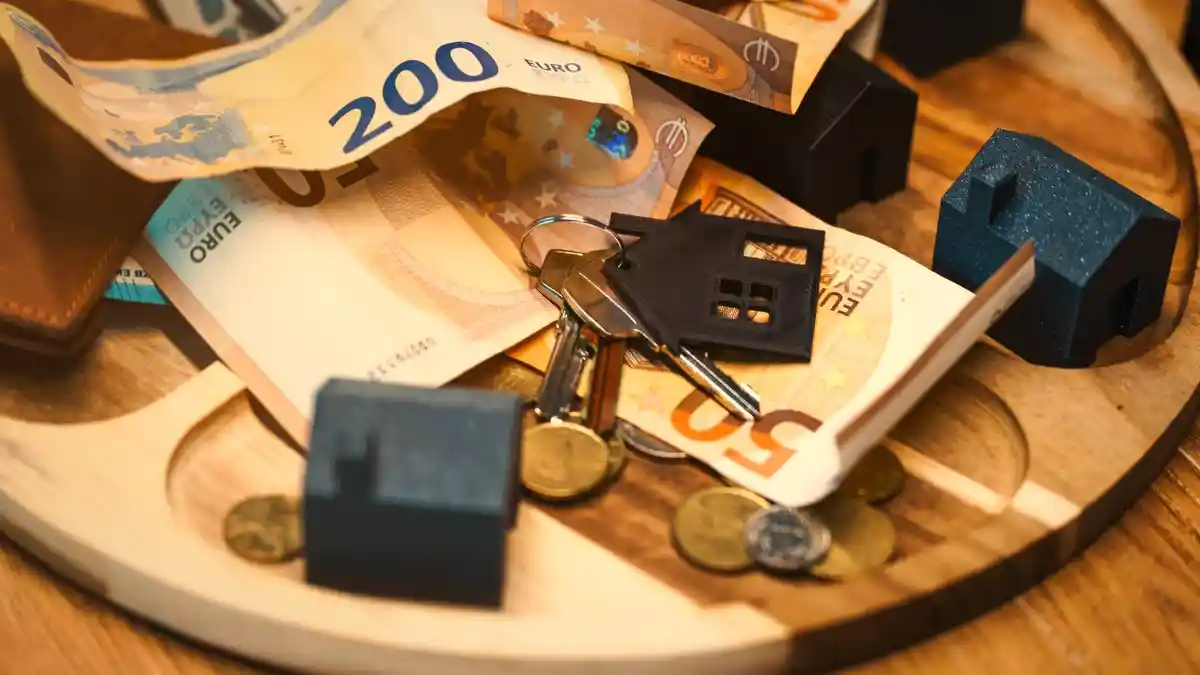
Under 35 and buying your first home in the Netherlands? Then you often pay no transfer tax. This is called the starter’s exemption. On 1 January 2027 the limit rises from €555,000 to €615,000, so more homes qualify.
Buying a home between those two amounts right now? Then the transfer date can save you thousands of euros. In this blog we explain how it works and what to watch out for.
1. What is the starter’s exemption?
Normally you pay 2% transfer tax when you buy a home to live in yourself. On a €400,000 home that’s €8,000. With the starter’s exemption you pay 0%.
You qualify if you meet all of these conditions:
- You are 18 to 34 years old at the moment of the transfer at the notary.
- You will live in the home yourself, not temporarily.
- You have never used the exemption before. Having owned a home before is fine, as long as you didn’t get the exemption then.
- The value of the home is not above the limit: €555,000 in 2026 and €615,000 in 2027.
At the notary you sign a statement that you will live in the home yourself.
2. The date at the notary counts, not your purchase agreement
The Dutch Tax Administration looks at the moment you sign the deed of transfer at the notary. That is the day the home becomes yours. When you signed the purchase agreement doesn’t matter.
This has two consequences:
- Age: if you turn 35 before the transfer, you’re too late. Even if you signed the purchase agreement at 34.
- Limit: if the transfer takes place in 2027, the €615,000 limit applies. Even if you bought the home in 2026.
| €580,000 home, buyer aged 32 | Transfer 18 December 2026 | Transfer 5 January 2027 |
|---|---|---|
| Starter’s exemption limit | €555,000 | €615,000 |
| Transfer tax | €11,600 (2%) | €0 |
In this example, waiting a few weeks saves €11,600.
3. Note: the limit is strict
The limit works as a threshold. If the home is worth even €1 more than the limit, you pay 2% on the full purchase price. Not just on the part above it.
What counts towards the value of the home?
- Usually the purchase price in the purchase agreement.
- A garden, garage or shed that belongs to the home counts too.
- Is the home on leasehold land? Then the bought-off ground rent counts as well.
- Do you buy something that belongs to it within 12 months, such as a separate garage? Then that value counts too. If the total exceeds the limit, you still pay tax.
4. Buying together: each buyer is assessed separately
Buying with your partner? Then the tax rules look at each of you separately. Are you 33 and your partner 36? Then you get the exemption on your half. Your partner pays 2% on the other half.
For the limit, however, the value of the whole home counts, not just your share. If you buy a €600,000 home together with the transfer in 2026, neither of you gets the exemption.
5. Should you move the transfer to January?
Is your home between €555,000 and €615,000? Then a transfer in January is often beneficial. Do discuss it with the seller and the notary in good time. The transfer date is in the purchase agreement and you can’t simply change it yourself.
Also think about:
- Your mortgage offer. A rate offer is only valid for a limited time. If you postpone the transfer, check that your offer runs long enough.
- Double housing costs. Moving a month later can mean an extra month of rent.
- NHG. The NHG limit rises to €500,000 in 2027. A home between €555,000 and €615,000 is above that.
Is your home below €555,000? Then the date makes no difference to the exemption.
6. Save it for later?
You can only use the exemption once. You may also choose to pay 2% and keep the exemption for your next home. That is only smart if you expect to buy again before you turn 35, and a more expensive home. For most first-time buyers it’s wise to use the exemption straight away.
What does this mean for you?
- Check your age on the transfer date. About to turn 35? Plan the transfer well before your birthday.
- Is your home between €555,000 and €615,000? Discuss with the seller and the notary whether the transfer can take place in January.
- Count your own savings. The exemption doesn’t change how much you can borrow, but you do need less of your own money. See what you can borrow with our tool to calculate your maximum mortgage.
- Buying your first home? Our page for first-time buyers explains how we help you.
The amounts in this blog are examples. Whether you qualify for the exemption depends on your own situation.
Unsure about the timing of your purchase? At Advies van Jord we’re happy to think it through with you. Book a free introductory meeting: online, at our office or at your home.
How can we help you?
Schedule a free mortgage consultation or ask your question. We will contact you as soon as possible!